 Work
Work Services
 Stacks
Case Study 2025 Freight · Custom Operating System
ROWELL
 Dom
Dom
Overview
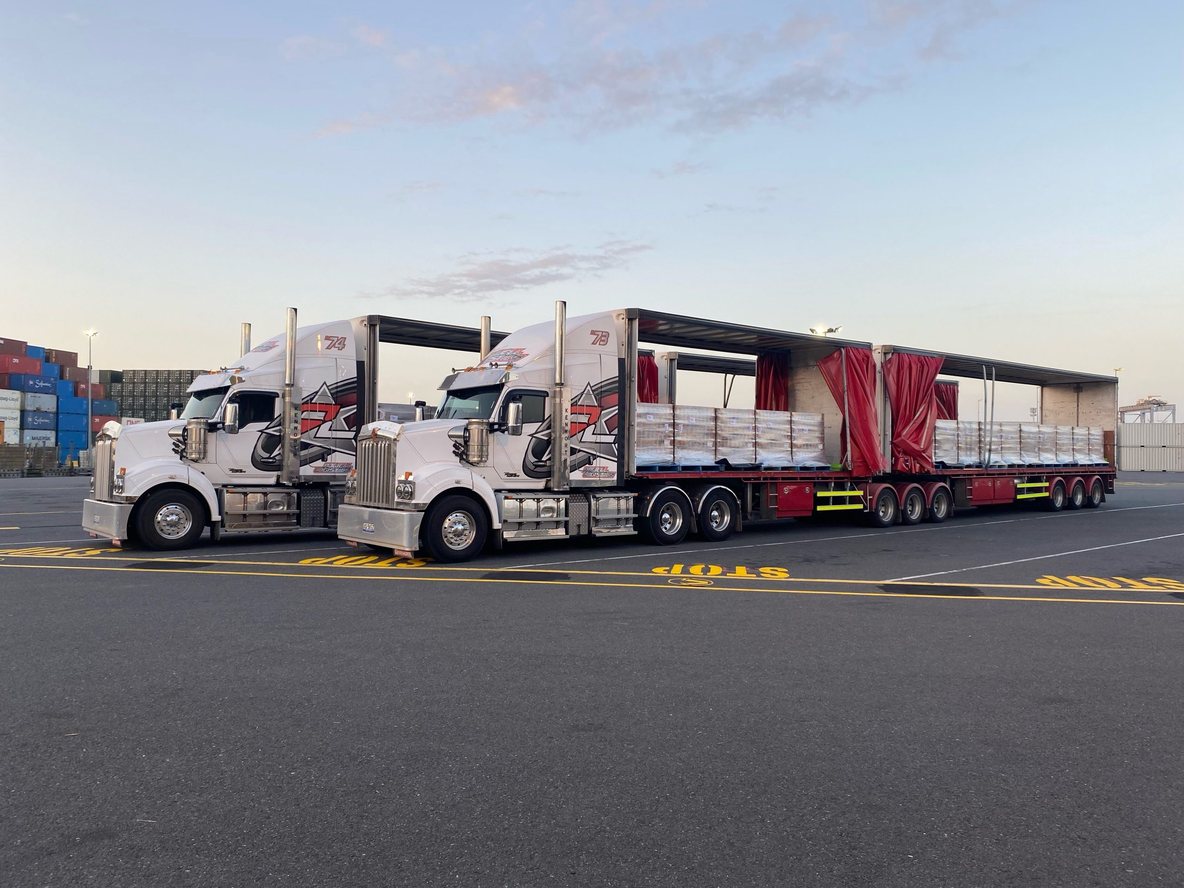
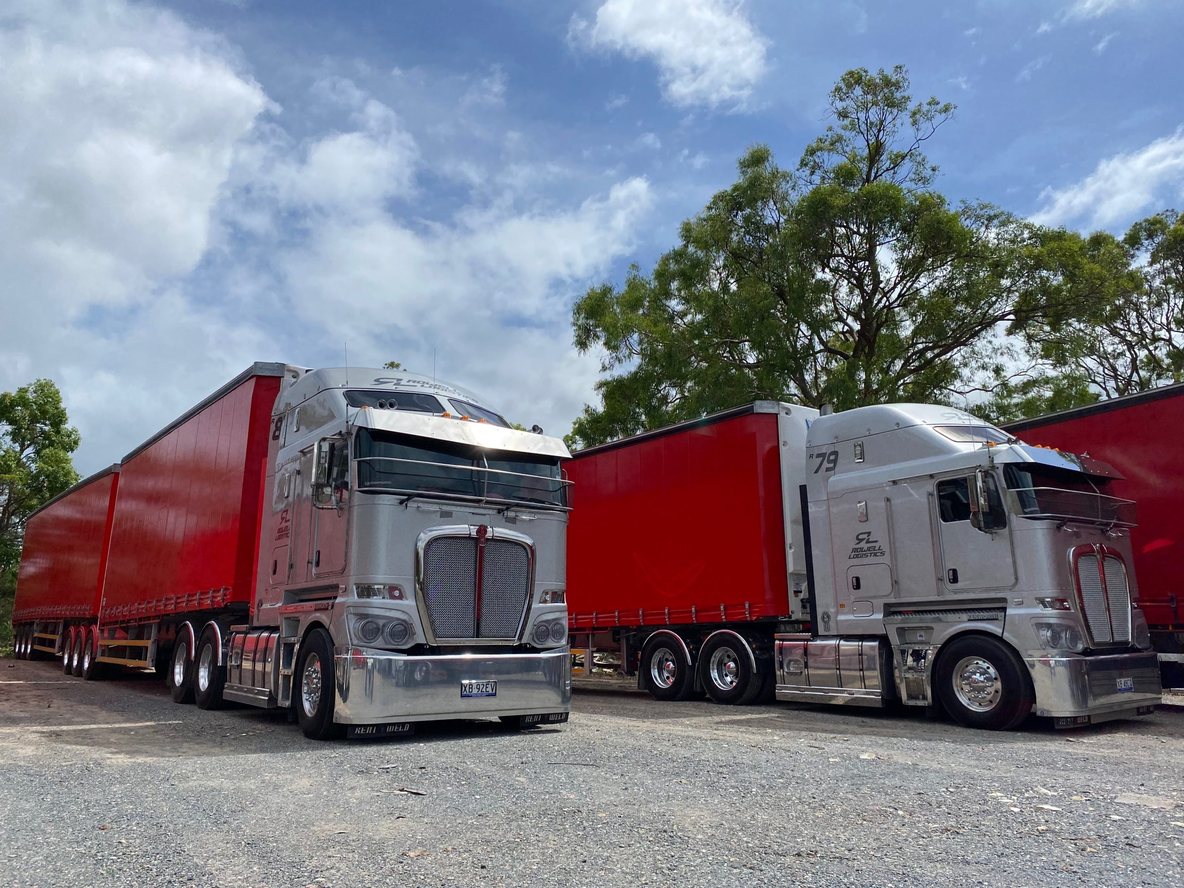
Rowell is a Queensland freight operator moving containers and general freight between ports, depots, and client sites across the state. A growing fleet, a growing client list, and a back office held together with spreadsheets, email, and a Xero tab that never closed. I built a custom operating system that replaced five tools with one and took forty hours of manual work out of the month.
The operations team was manually matching delivery dockets to invoices, cross-referencing rates in spreadsheets, and keying data into Xero by hand. A single invoicing error could cascade into weeks of back-and-forth with a client. The operations manager spent more time on admin than on operations. The business was growing, but the processes could not scale.
What was built
- ✓Custom transport management system with driver, fleet, and job records in one schema
- ✓Automated invoice generation pulling rate, route, and client data straight from completed jobs
- ✓RCTI matching engine that reconciles client-created tax invoices against internal job data
- ✓Two-way Xero API integration so issued invoices and reconciliations sync without manual keying
- ✓Rate card management with per-client and per-route pricing, versioned over time
- ✓Consignment note generation, driver allocation, and POD capture from a single dispatch view
- ✓Operational reporting for trip margin, on-time delivery, and outstanding RCTIs
- ✓Role-based access so dispatch, drivers, and admin each see only what they need
Approach & Tools
System architecture
Key decisions
- Own the system, don’t rent itThe obvious path was stitching together an off-the-shelf TMS, Xero, and a middleware product. That would have cost less upfront and more forever. Rowell’s processes were specific enough that a custom build paid back inside three months and left the business owning the IP, with no per-seat fee compounding as the team grew.
- Automate reconciliation, not dispatchDispatch is a judgement call. A senior ops person reading a map and a weather forecast beats an algorithm. Reconciliation is pattern-matching on data that already exists. The system automates reconciliation and keeps the human in the dispatch seat, which is where their value actually lives.
- Match RCTIs line-by-line, not invoice-by-invoiceA client RCTI for a hundred trips is one PDF with a hundred rows. Most tools match at the invoice total. That misses single-line errors that compound over a month. The matching engine goes line-by-line, flags the exceptions, and presents them for human review. Fifteen exceptions a week instead of five hundred rows.
- Xero stays the source of truth for financeFinance data lives in Xero. The TMS generates and syncs, but never duplicates or overrides. If a bookkeeper changes something in Xero, the TMS reflects it on next sync. One system of record, one place audits happen, no reconciliation between the reconciliation tool and the finance tool.
What the client said
“We thought we needed another person. We needed this system. Month-end used to eat a full week. Now it’s done before lunch. The errors are gone and the team is doing the work they actually signed up for.”
Luke Rowell Director, Rowell Logistics
Inside look